
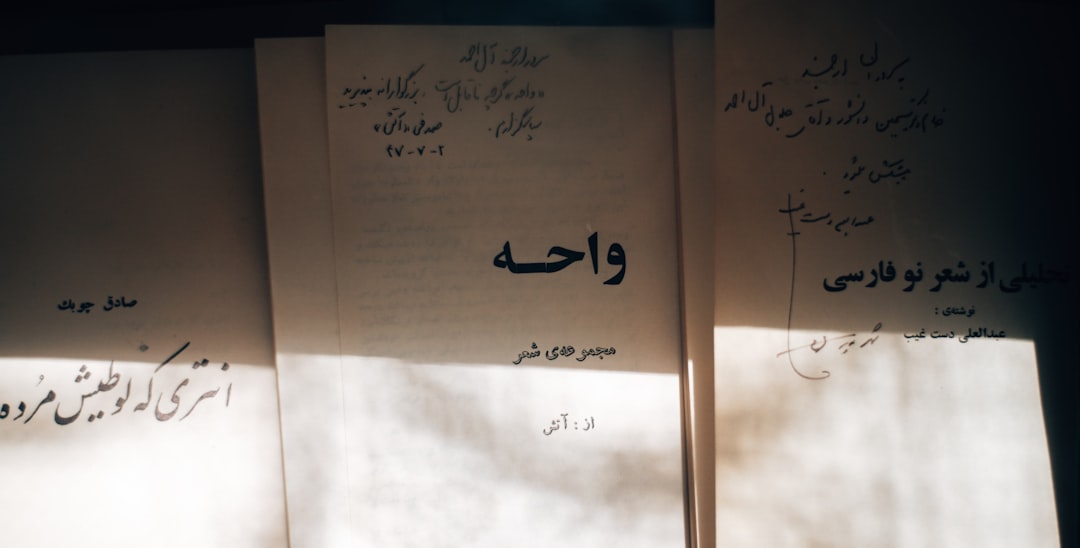
Poetry has been called the highest form of literary art, a claim that, while debatable, speaks to the extraordinary precision the form demands. Every word in a poem carries weight. Every line break is a decision. Every silence between stanzas says something the words cannot.
Yet for many readers and aspiring writers, poetry feels impenetrable. Discussions of iambic pentameter, caesura, and enjambment can seem like a foreign language. This guide demystifies the core elements of poetry, understanding poetry meter and rhyme, the architecture of traditional forms, and the liberating possibilities of free verse, so you can engage with poems as both a reader and a creator.
What Is Meter and Why Does It Matter?
Meter is the heartbeat of traditional poetry. It is the regular pattern of stressed (accented) and unstressed (unaccented) syllables that gives a poem its rhythmic pulse. Understanding meter transforms your experience of poetry from passive reading to active listening.
The Building Blocks: Metrical Feet
A metrical foot is the smallest unit of meter, consisting of a specific combination of stressed and unstressed syllables. The most common feet in English-language poetry are:
| Foot | Pattern | Example Word | Sound | Common In |
|---|---|---|---|---|
| Iamb | unstressed-STRESSED | a-LONE | da-DUM | Sonnets, blank verse |
| Trochee | STRESSED-unstressed | GAR-den | DUM-da | Songs, chants |
| Dactyl | STRESSED-unstressed-unstressed | BEAU-ti-ful | DUM-da-da | Epic poetry |
| Anapest | unstressed-unstressed-STRESSED | un-der-STAND | da-da-DUM | Limericks, light verse |
| Spondee | STRESSED-STRESSED | HEART-BREAK | DUM-DUM | Emphasis, variation |
| Pyrrhic | unstressed-unstressed | of the | da-da | Variation, transition |
Meter Names by Line Length
The number of feet per line determines the meter’s full name. A line with five iambs is called iambic pentameter. Here is the naming convention:
- Monometer: one foot per line
- Dimeter: two feet per line
- Trimeter: three feet per line
- Tetrameter: four feet per line
- Pentameter: five feet per line (the most common in English)
- Hexameter: six feet per line
Iambic Pentameter: The Backbone of English Poetry
Iambic pentameter, five iambic feet per line, is the dominant meter of English poetry. Shakespeare, Milton, Wordsworth, and Frost all built their greatest works upon it. Its enduring popularity stems from a simple fact: iambic pentameter closely mirrors the natural rhythm of spoken English.
Consider this line from Shakespeare’s Sonnet 18:
Shall I / com-PARE / thee TO / a SUM / mer’s DAY?
Each pair of syllables follows the unstressed-STRESSED iambic pattern, creating a line that feels both musical and conversational. The Academy of American Poets at Poets.org offers an extensive archive of metered poems with audio recordings that make these patterns audible.
Blank Verse: Unrhymed Iambic Pentameter
Blank verse uses iambic pentameter without end rhyme. It is the meter of Shakespeare’s plays, Milton’s Paradise Lost, and much of Robert Frost’s work. Because it lacks rhyme, blank verse relies on the strength of its rhythm and the quality of its language to maintain poetic intensity.
The Architecture of Rhyme
Rhyme is perhaps the most immediately recognizable feature of poetry. Yet its function extends far beyond decoration. Rhyme creates connections between ideas, reinforces structure, provides closure, and generates expectation in the reader.
Types of Rhyme
- Perfect Rhyme (Full Rhyme): Words whose ending sounds match exactly: « moon » / « June, » « love » / « dove. »
- Slant Rhyme (Near Rhyme): Words that share similar but not identical sounds: « moon » / « bone, » « love » / « move. » Emily Dickinson used slant rhyme extensively.
- Eye Rhyme: Words that look alike but sound different: « love » / « prove, » « cough » / « through. »
- Internal Rhyme: Rhyme occurring within a single line: « Once upon a midnight dreary, while I pondered, weak and weary. »
Rhyme Schemes
A rhyme scheme is the pattern of end rhymes across a stanza or poem, notated using letters (ABAB, AABB, ABBA, etc.). Different forms require different schemes:
- Couplets (AA): Two consecutive rhyming lines. Common in heroic couplets and epigrams.
- Alternate Rhyme (ABAB): The standard ballad and hymn pattern.
- Enclosed Rhyme (ABBA): Used in Tennyson’s In Memoriam stanza.
- Terza Rima (ABA BCB CDC): Dante’s interlocking rhyme scheme in the Divine Comedy.
Traditional Poetic Forms
Forms are the architectural blueprints of poetry. Each imposes specific constraints on meter, rhyme, line count, and stanza structure. Far from limiting creativity, these constraints often generate it by forcing the poet to find unexpected solutions.
The Sonnet
The sonnet, fourteen lines of iambic pentameter, is the most celebrated fixed form in English. Two major variants exist:
- Shakespearean (English) Sonnet: Three quatrains and a couplet (ABAB CDCD EFEF GG). The final couplet delivers a twist or resolution.
- Petrarchan (Italian) Sonnet: An octave (ABBAABBA) and a sestet (CDECDE or CDCDCD). The volta, or turn, occurs between the two sections.
Resources like Writer’s Digest regularly publish guides to writing sonnets that can help you practice this enduring form.
The Haiku
Originating in Japan, the haiku is a three-line poem following a 5-7-5 syllable pattern. Traditional haiku focuses on nature and the present moment, capturing a single vivid image. Our detailed exploration of The Art of Haiku: A Complete Beginner’s Guide provides a thorough introduction to this deceptively simple form.
The Villanelle
The villanelle consists of 19 lines: five tercets followed by a quatrain, with two repeating refrains. Dylan Thomas’s « Do Not Go Gentle into That Good Night » is the most famous English example. The repetition creates an incantatory, obsessive quality that suits poems of grief, longing, or resistance.
The Ghazal
An Arabic and Persian form consisting of autonomous couplets linked by a repeated refrain word. Each couplet must stand alone as a complete thought while contributing to the poem’s emotional arc. The ghazal has gained significant traction in English-language poetry through the work of Agha Shahid Ali.
Free Verse: Liberation and Responsibility
Free verse abandons fixed meter and rhyme in favor of organic rhythm, natural speech patterns, and the visual arrangement of words on the page. Pioneered by Walt Whitman and later championed by poets like T.S. Eliot, William Carlos Williams, and Adrienne Rich, free verse now dominates contemporary poetry.
How Free Verse Works
The absence of formal rules does not mean the absence of craft. Free verse poets make deliberate choices about:
- Line breaks: Where a line ends affects emphasis, pacing, and meaning. A line break can create suspense, irony, or surprise.
- White space: The gaps between words, lines, and stanzas control the poem’s breathing and pacing.
- Sound devices: Alliteration, assonance, consonance, and internal rhyme provide music without formal meter.
- Imagery: Concrete, sensory images anchor the poem in experience rather than abstraction.
The Line Break as Meaning
Consider the difference between these two arrangements of the same words:
I have eaten the plums that were in the icebox
Versus William Carlos Williams’s original lineation:
I have eaten
the plums
that were in
the icebox
The line breaks create pauses that slow the reading, turning a casual note into a meditation on appetite, intimacy, and the beauty of ordinary life.
Modern and Contemporary Poetry: Where We Are Now
Contemporary poetry encompasses an enormous range of styles, from the confessional intensity of Sharon Olds to the fragmented collages of Anne Carson to the spoken-word power of poets like Amanda Gorman. For an exploration of how the poetic landscape continues to evolve, see our discussion of Contemporary Poetry: The Poetic Revival.
Spoken Word and Performance Poetry
The poetry slam movement, which began in Chicago in the 1980s, returned poetry to its oral roots. Spoken word emphasizes delivery, audience connection, and emotional directness. While some literary purists resist it, spoken word has done more to bring new audiences to poetry than perhaps any other movement of the last fifty years.
Digital Poetry
The internet has created new forms of poetic expression: hypertext poetry, Twitter poems, Instagram poetry, and AI-collaborative verse. Whether you consider these legitimate literary forms or ephemeral experiments, they represent poetry’s ongoing adaptation to new media.
How to Read a Poem: A Practical Approach
Reading poetry well is a skill that improves with practice. The Reedsy Blog and many university writing programs recommend a layered approach:
- First Reading: Read the poem aloud without stopping. Let it wash over you. Note your emotional response.
- Second Reading: Read again slowly. Look up unfamiliar words. Note images and sensory details.
- Third Reading: Examine structure. Identify the meter (if any), rhyme scheme, and form. Notice line breaks and stanza divisions.
- Fourth Reading: Consider the poem’s argument or emotional trajectory. How does it move from beginning to end? Where is the turn or shift?
- Final Reflection: What does the poem mean to you? How does it connect to your own experience? What questions does it leave unanswered?
Writing Your First Poems: Practical Exercises
Theory is essential, but practice is where learning happens. Here are five exercises to begin your journey as a poet:
- The Object Poem: Choose a single physical object and describe it in twelve lines without using any abstract language. Only concrete, sensory details.
- The Sonnet Challenge: Write a Shakespearean sonnet on any subject. Do not worry about perfection; focus on maintaining the ABAB CDCD EFEF GG rhyme scheme and approximate iambic pentameter.
- The Erasure Poem: Take a page from a newspaper or old book. Using a marker, black out most of the words, leaving only those that form a new poem.
- The List Poem: Write a poem that is a list. Titles like « Things I Have Lost, » « Sounds of My Neighborhood, » or « What I Know About My Mother » can generate powerful material.
- The Constraint Poem: Write a poem without using the letter « e » (a lipogram). The constraint forces creative word choices you would never otherwise make.
Understanding poetry meter and rhyme is not about memorizing rules. It is about developing an ear for the music of language, an appreciation for the choices poets make, and the confidence to make those choices yourself. Whether you write sonnets or free verse, the discipline of close reading and deliberate practice will transform both your writing and your relationship with the written word.
What is the difference between meter and rhythm in poetry?
Rhythm is the general musical quality of language, the natural rise and fall of speech. Meter is the formal, measurable pattern of stressed and unstressed syllables. All language has rhythm, but only metered poetry follows a predictable, repeating pattern of stresses.
Is free verse easier to write than formal poetry?
Not necessarily. While free verse removes the constraints of fixed meter and rhyme, it demands a keen ear for natural rhythm, line breaks, and internal music. Without formal structure to guide decisions, every choice about line length and pacing falls entirely on the poet.
How can I improve my ability to hear meter in poetry?
Read poetry aloud regularly. Mark stressed and unstressed syllables with a pencil. Listen to recordings of poets reading their own work. Start with strongly metered poems like Shakespeare sonnets or nursery rhymes, then progress to subtler examples.
What makes a poem modern versus traditional?
Traditional poetry typically follows established forms with fixed meter, rhyme schemes, and stanza structures. Modern poetry, emerging in the early twentieth century, often breaks these conventions, embracing free verse, fragmentation, and experimental language while still attending to craft and intentional structure.
Can I mix formal and free verse techniques in a single poem?
Absolutely. Many contemporary poets blend metered passages with free verse, use partial rhyme alongside unrhymed lines, or adopt the shape of a traditional form without adhering to its rules strictly. This hybrid approach can create dynamic tension and surprise within a poem.
Disclaimer: This article provides educational guidance on poetry and literary forms. The interpretations and analyses presented reflect widely accepted literary scholarship, but poetry is inherently subjective. Readers are encouraged to explore multiple perspectives and develop their own critical voice. This content is not a substitute for formal literary education.
